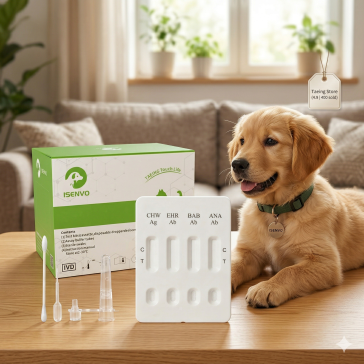
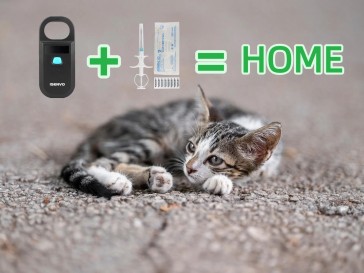
The moment you pet your furry friend, a wonderful physical and mental transformation begins.
News

 Categories: News
As a responsible pet owner, understanding common canine diseases and their prevention is crucial for your furry friend’s well-being. Canine Coronavirus (CCV) is a highly contagious virus that primarily affects a dog’s digestive system. While it is not zoonotic (cannot spread to humans), it can cause significant discomfort and, in severe cases, life-threatening complications—especially in puppies, senior dogs, or immunocompromised pets.
This article explores how CCV affects dogs, its transmission, symptoms, and effective prevention measures to keep your pet safe.
What Is Canine Coronavirus (CCV)?
CCV is an intestinal virus that infects dogs, leading to gastrointestinal distress. Unlike SARS-CoV-2 (which causes COVID-19 in humans), CCV is species-specific and only affects canines. However, it is highl
 Categories: News
Feline Panleukopenia Virus (FPV), also known as feline distemper or feline parvo, is a highly contagious and often fatal disease affecting cats, particularly kittens and unvaccinated felines. Understanding FPV prevention, proper care, and rapid testing (e.g., FPV Ag Rapid Test Kit) is crucial for cat owners, rescuers, and multi-cat households. This guide covers FPV transmission, prevention, care, and diagnostic methods.
1. Understanding FPV: Symptoms & Transmission
What is FPV?
FPV is a highly resilient DNA virus from the parvovirus family, attacking rapidly dividing cells (e.g., intestines, bone marrow). It is especially dangerous for:
-
Kittens (under 6 months)
-
Unvaccinated cats
-
 Categories: News
Canine Parvovirus (CPV) is a highly contagious and life-threatening viral disease that primarily affects puppies and unvaccinated dogs. It attacks the intestinal tract and immune system, causing severe vomiting, diarrhea, and dehydration. Without prompt treatment, CPV can be fatal.
This article covers transmission, symptoms, diagnosis, treatment, and prevention to help dog owners protect their pets.
1. What is Canine Parvovirus (CPV)?
CPV belongs to the Parvoviridae family and was first identified in the 1970s. It is extremely resilient, surviving in the environment (soil, clothing, bowls) for months to years.
Virus Strains
-
CPV-2 (original
-
 Categories: News
Feline Calicivirus (FCV) is one of the most common contagious respiratory diseases in cats, causing symptoms ranging from oral ulcers to severe systemic illness. For multi-cat households or rescuers, understanding FCV prevention, proper care, and rapid testing (e.g., FCV Ag Rapid Test Kit) is crucial. This guide covers FCV transmission, prevention, cat care, and diagnostic methods.
1. Understanding FCV: Symptoms & Transmission
What is FCV?
FCV is a highly contagious RNA virus affecting cats, particularly kittens, unvaccinated cats, and immunocompromised felines.
Common Symptoms
-
Mild cases:
-
Sneezing, nasal discharge, watery eyes
-
Oral ulcers (painful mouth sores, drooling, reduced appetite)
-
-
 Categories: News
What is CPV?
CPV (Canine Parvovirus) is a highly contagious and potentially fatal viral disease that primarily affects puppies and unvaccinated dogs. The virus attacks a dog's digestive and immune systems, causing severe vomiting, bloody diarrhea, dehydration, high fever, and low white blood cell counts. Without prompt treatment, CPV has an extremely high mortality rate.
How CPV Spreads
CPV is transmitted through:
-
Direct contact: Exposure to infected dogs' feces, vomit, or saliva.
-
Indirect contact: The virus can survive in the environment for months, contaminating toys, food bowls, clothing, or floors.
-
Human carriers: Owners or visitors may unknowingly bring the virus home on shoes or clothing.
-
 Categories: News
Canine Distemper Virus (CDV) is a highly contagious and often fatal viral disease that primarily affects canines (dogs, foxes, wolves, etc.), especially puppies and unvaccinated dogs. Without timely intervention, the mortality rate can exceed 50%. Early diagnosis is crucial for improving survival rates, and the Taeing CDV Rapid Test Kit (Canine Distemper Virus Rapid Test Kit) can provide accurate results within 10 minutes, helping pet owners and veterinarians take immediate action.
1. Symptoms of Canine Distemper (CDV)
CDV infection presents with diverse symptoms that are often mistaken for common cold or gastroenteritis in early stages:
Early Symptoms (after 3-6 day incubation period)
-
High fever (above 40°C)
-
Ocular/nasal discharge (purulent)
-
 Categories: News
1. What Are FIV and FeLV?
1. FIV (Feline Immunodeficiency Virus)
FIV is a virus similar to HIV in humans, attacking a cat's immune system and reducing its ability to fight diseases. Main transmission routes include:
-
Bite wounds (from fights)
-
Mother-to-kitten transmission (during pregnancy or nursing)
-
Rarely via shared food bowls or grooming
2. FeLV (Feline Leukemia Virus)
FeLV is a more deadly virus that suppresses bone marrow function, leading to:
-
Severe anemia
-
Cancers like lymphoma
-
 Categories: NewsWhat is ccv and what are the dangers?
 Dec 01 2024
What to do if your dog has a cold?
Categories: NewsHow to care for and prevent a dog from catching a cold?
Recent Posts