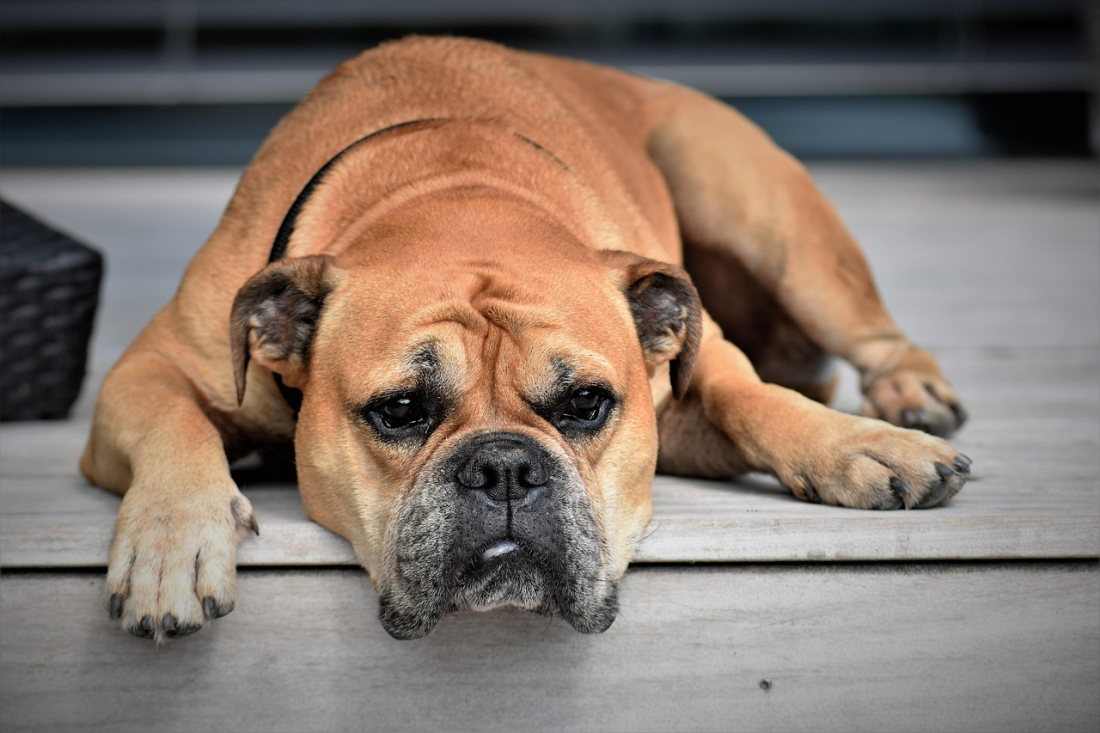
As summer quietly comes to a close, households are shifting back into the rhythm of work and school. The pool is packed away, the back-to-back hangouts are over—and for many dogs, their "24/7 companionship mode" has suddenly been switched off.
For our canine friends, this isn’t just a seasonal shift. It’s an emotional earthquake.
The Disappearance of the Pack
Every late summer, our clinic sees a familiar spike in cases: canine separation anxiety.
The owners are often confused. “He was totally fine all summer—now that I’m back at work, he’s tearing up the house?”
But here’s what happened: You were home all summer. You ate together, watched TV together, even went to the bathroom with a furry shadow waiting by the door. What felt like ordinary days to you was, to your dog, life in a pack.
Then one day, the pack disappeared.
Dogs don’t understand “work.” All they know is: the person who was always here… isn’t anymore.
Separation Anxiety Is Not “Bad Behavior”
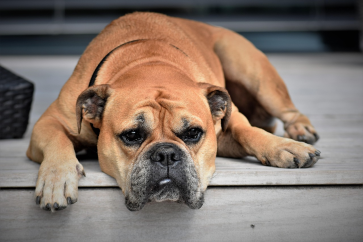
Many owners misinterpret separation anxiety as revenge, stubbornness, or a lack of training. But those shredded sofas, the puddles by the door, the scratched-up frames—none of it is spite.
It is fear.
We’ve seen mild cases where dogs simply bark nonstop after their owners leave. We’ve also seen severe ones: dogs fracturing their own teeth trying to escape a crate, or jumping from second-story windows.
These are not “bad habits.” These are panic attacks.
Separation anxiety is not rebellion. It is panic.
Why Some Dogs and Not Others?
This is a question we hear often: We have two dogs, raised the same way. Why can one stay home alone without a care, while the other spirals into self-destruction?
Science doesn’t yet have a definitive answer. But several risk factors have been identified:
Lack of alone-time training during puppyhood. Dogs that never learn “being alone is safe” are more vulnerable to anxiety as adults.
Sudden environmental change. Moving, shifts in family composition, or drastic changes in routine can all trigger separation anxiety.
Over-attachment. Some dogs form an intensely close bond with a specific person—and that bond can sometimes become a source of fragility rather than security.
Pandemic puppies. This is a uniquely high-risk group. These dogs spent their critical socialization periods in homes where humans never left. They never learned the skill of solitude—and were then suddenly thrust into empty houses when life returned to normal.
What Can We Do?
If you suspect your dog is struggling with separation anxiety, here are a few things that may help:
1. Do not punish.
Punishing a panicking dog is like scolding someone for having an asthma attack. Your dog isn’t trying to “get back at you”—it’s terrified. Punishment only deepens the fear.
2. Desensitize your departure cues.
Picking up keys, putting on shoes—these small actions can become anxiety triggers. Practice them repeatedly without leaving. Keep goodbyes low-key. No tearful hugs, no “Mommy will be back soon.”
3. Make alone time a positive experience.
Before you leave, offer something your dog truly loves—a long-lasting chew, a puzzle feeder, a frozen stuffed toy. Help them build the association: When my human leaves, something good happens.
4. Start small.
Even stepping out to take out the trash counts. If your dog stays quiet when you return, offer calm acknowledgment. Gradually lengthen the absences—don’t jump from 24/7 togetherness to 9-to-5 solitude.
5. Seek professional help when needed.
Moderate to severe separation anxiety often cannot be resolved through owner effort alone. Veterinary behaviorists, certified trainers, and—in some cases—short-term anti-anxiety medication (prescribed by a veterinarian) can all be valuable tools.
A Final Thought
Dogs have lived alongside us for over ten thousand years, but they remain deeply social animals. What is, to us, the start of a workday is, to them, the unsettling dissolution of the pack.
This time of year, as routines shift and schedules tighten, we’re not the only ones adjusting. Our dogs are navigating this transition too.
So next time you walk out the door, pause for a second. Look back. That small figure lying by the entrance, ears perked toward the sound of your steps—it’s not being difficult.
It just misses you more than you know.