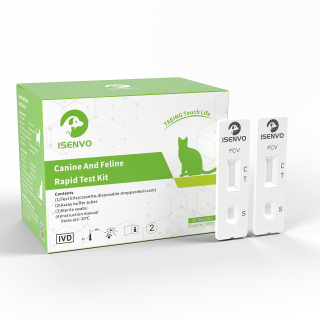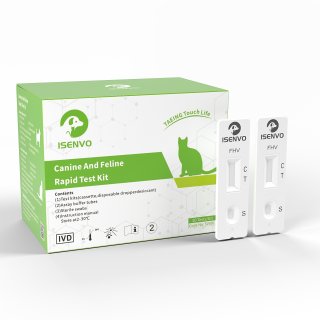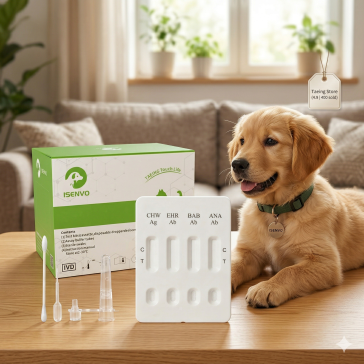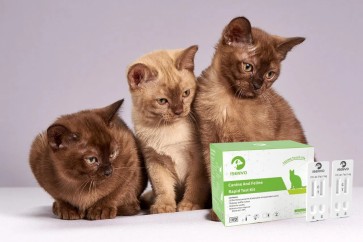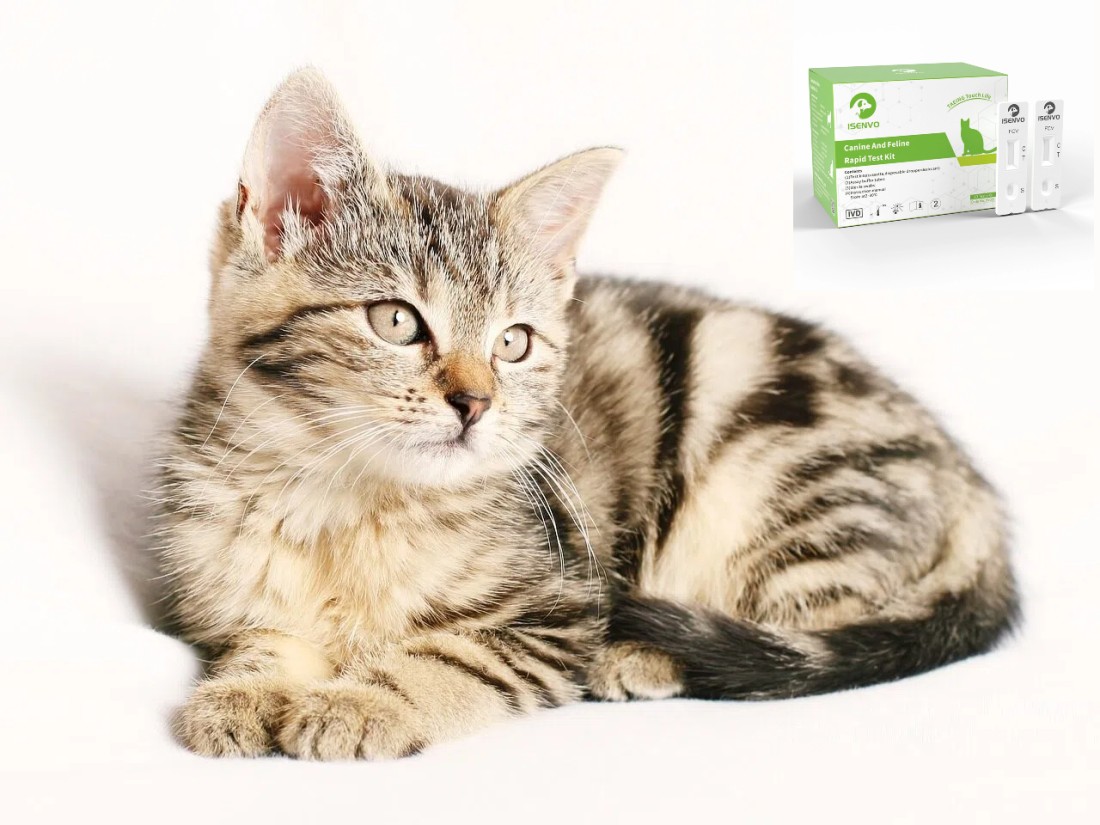
When your cat exhibits symptoms such as sneezing, oral ulcers, or lethargy, it may be facing a common but often overlooked threat – Feline Calicivirus (FCV). This virus is one of the main culprits behind feline upper respiratory tract disease syndrome, with a global infection rate of 40-60%. FCV testing kits are a crucial tool for pet owners and veterinarians to detect and accurately address this threat early on.
I. Understanding Feline Calicivirus (FCV): More Than Just a "Cat Cold"
Basic Characteristics of FCV
Feline Calicivirus is a single-stranded RNA virus characterized by its high variability and strong environmental resistance. It can survive in dry environments for up to a month and is transmitted through direct contact, contaminated objects, or airborne droplets. The Multifaceted Manifestations of FCV Infection
FCV infection is not a single disease, but can manifest as:
Typical upper respiratory type: sneezing, runny nose, conjunctivitis
Oral ulcer type: the most characteristic symptom, painful ulcers appear on the oral mucosa and tongue
Lameness syndrome: transient arthritis, leading to difficulty walking
Systemic type (VS-FCV): a rare but fatal variant strain with a mortality rate of up to 67%
II. FCV Detection Reagents: Technical Principles and Types
Mainstream Detection Methods
Rapid immunochromatographic test strip (colloidal gold method)
Detection sample: eye and nasal secretions, saliva, oral swabs
Detection time: results in 10-15 minutes
Advantages: simple operation, fast, low cost, suitable for immediate diagnosis in clinics
Principle: Detects viral proteins through antigen-antibody reaction
III. The Core Importance of FCV Testing: Six Values Beyond Diagnosis
1. Early intervention to block disease progression
Window period identification: Positive detection before clinical symptoms fully appear, allowing for intervention 3-5 days in advance
Treatment guidance: Differentiates between viral and bacterial infections, avoiding antibiotic overuse
Improved prognosis: Early treatment can shorten the course of the disease from 14-21 days to 7-10 days
Conclusion: Proactive testing, not passive treatment
The significance of feline calicivirus test kits goes far beyond simply diagnosing a disease. It represents a shift in modern pet care philosophy—from "treating after illness" to "preventing before illness," from "vague treatment" to "precise management."
Each small test kit is:
A pair of eyes: helping us see hidden threats
A map: guiding us to choose the correct care path
A shield: building collective protection for multi-cat households
A bridge: connecting home care with professional medical care
In the face of feline calicivirus, a common and constantly mutating opponent, the most valuable weapon that test kits give us is not medication, but information—accurate, timely, and actionable information. This is the cornerstone of providing scientific care for our beloved cats and protecting their lifelong health.
When we can know in advance, we can act in advance; when we can identify precisely, we can protect precisely. This demonstrates the irreplaceable importance of FCV testing kits in modern feline health management.