If you are a dog lover, you might have heard the somewhat unfamiliar term "Leishmaniasis." Please take a few minutes to read this article, as it concerns the health of your furry companion and is even closely related to the well-being of your entire family.
First, a Basic Understanding: What is Canine Leishmaniasis?
Canine Leishmaniasis is a serious zoonotic parasitic disease caused by Leishmania parasites. This means it can be transmitted between animals and humans.
-
Culprit: Leishmania parasites.
-
Accomplice: A tiny insect – the sand fly. When a sand fly bites an infected animal and then bites a healthy dog or human, it can transmit the disease.
-
Characteristics: Long incubation period, diverse symptoms, easily overlooked or misdiagnosed.
"My dog hardly ever goes outside. Is testing necessary?" — The answer is: Absolutely!
This might be the first reaction for many owners. The necessity can be broken down into three core aspects:
Aspect 1: For the Dog's Life and Health — A Race Against a "Silent Killer"
Leishmania parasites stealthily invade and damage the dog's immune system. The disease progresses slowly but can be fatal.
-
Initially "Silent," Later "Explosive":
-
Early Stage: May only show subtle signs like mild lethargy, decreased appetite, or slight weight loss. These non-specific symptoms are too easily dismissed as minor issues.
-
Late Stage: Classic symptoms become severe and apparent: extensive symmetrical hair loss, skin ulcers that won't heal, severe weight loss, swollen lymph nodes, eye inflammation, nosebleeds, etc. Most critically, it attacks the kidneys, leading to kidney failure, which is the leading cause of death in most affected dogs.
-
-
The Meaning of Testing is to "Get a Head Start":
-
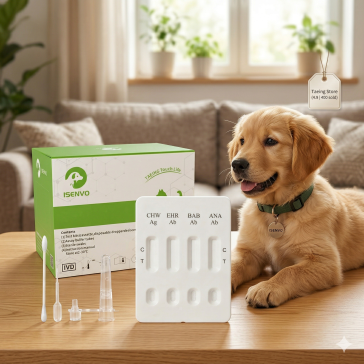
Early Diagnosis: A simple test kit (often requiring just a few drops of blood) can detect infection before symptoms appear or at a very early stage.
-
Timely Treatment: If diagnosed early, standardized drug therapy can effectively control parasite replication, alleviate clinical signs, significantly improve the dog's quality of life, and markedly extend its lifespan. Once kidney failure develops, treatment becomes extremely difficult and the prognosis is poor.
-
Avoid Misdiagnosis: Its skin symptoms are often mistaken for mange, fungal infections, or allergies. Incorrect treatment wastes money and time and, more importantly, delays proper care.
-
Aspect 2: For Family Safety and Well-being — Building a Protective Wall for Your Home
This is the most crucial point. While humans cannot get infected directly from dogs, an infected dog is a dangerous "reservoir" for the disease.
Imagine this transmission chain:
Infected Dog → Healthy Sand Fly Bites This Dog → This Sand Fly Carries the Pathogen → It Then Bites a Family Member (especially children and immunocompromised individuals) → Human Infection (Visceral or Cutaneous Leishmaniasis)
Visceral Leishmaniasis in humans has a high mortality rate if not treated promptly. Therefore, testing and managing your dog is a vital step in breaking the local transmission cycle and acts as a safety barrier for you and your family.
Aspect 3: For Responsible Dog Ownership — Being a Socially Accountable Pet Owner
-
When Introducing a New Member: Screening a new dog for Leishmaniasis before adoption or purchase prevents introducing a potential source of infection into your home and community, protecting your existing pets.
-
Prevention and Travel: Knowing your dog's infection status helps your veterinarian create a more precise prevention and parasite control plan (e.g., emphasizing sand fly protection). Testing is an essential health assessment before traveling with your dog to or moving to an endemic area.
When Should You Test Your Dog?
Testing is strongly recommended in the following situations:
-
During Annual Check-ups: Especially in known endemic areas, include Leishmaniasis testing in routine annual exams.
-
When Any Suspect Symptoms Appear: Even if symptoms are mild, don't take chances.
-
When Adopting/Buying a New Dog: Especially dogs from unknown backgrounds or endemic areas.
-
Before Planned Breeding: Although vertical transmission (mother to puppies) is not the primary route, it is possible.
-
Before/After Travel to Endemic Areas: If you are taking your dog to southern regions or other endemic countries.
Take Action: Simple Testing, Priceless Peace of Mind
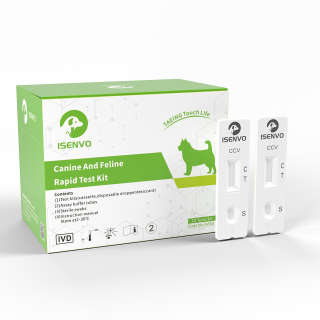
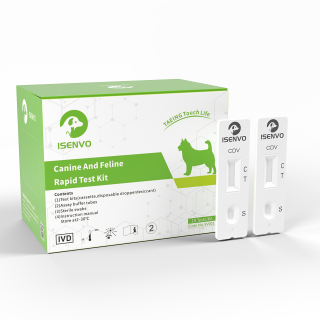
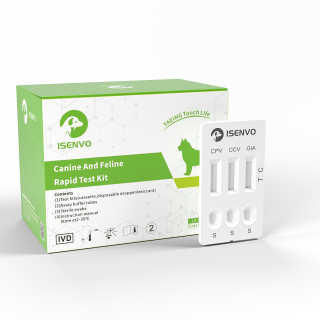
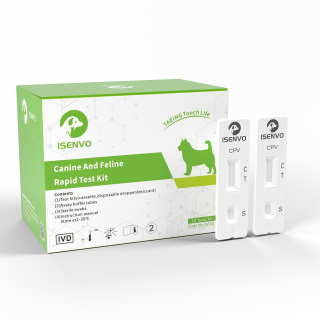
Modern veterinary medicine has made testing very convenient. Common rapid test kits are similar to human pregnancy test strips. Using a small blood sample from your dog, they can provide a preliminary result in minutes. More accurate laboratory PCR tests are also available.
Be sure to consult your trusted veterinarian, who can provide the most professional advice.
Conclusion
Loving your dog isn't just about daily feeding and companionship; it's also about the seemingly "precautionary" wise decisions made for their long-term health. A simple test for Canine Leishmaniasis is more than just a lab report; it is a:
-
Commitment to Your Pet's Life: Guarding its health, sparing it from suffering.
-
Commitment to Your Family's Safety: Building a health barrier for your home, providing comprehensive protection.
-
Commitment to Social Responsibility: Acting as a responsible pet owner by helping control zoonotic diseases.
Let's not allow ignorance and complacency to be the only barrier between us and disease. Start with a test, and give our beloved dogs a healthier, safer future.