Imagine this scenario: your beloved cat slips out through a barely open door and can’t find its way home; your loyal dog gets startled by fireworks, breaks free from its leash, and disappears into the crowd; or while traveling, your pet gets lost in an unfamiliar city... The anxiety and heartbreak in such moments are something every pet owner hopes never to experience.
What Exactly Is a Microchip?
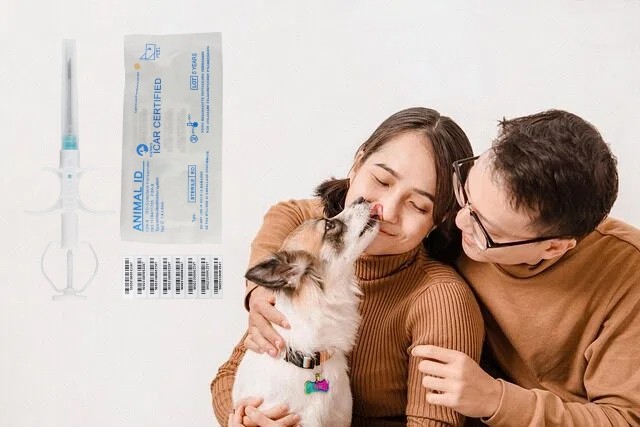
Those tiny cylinders (such as the 1.25x7mm or 2.12x12mm sizes) may seem insignificant, yet they contain powerful protective capabilities. These chips comply with global unified standards (ISO11784/ISO11785), using 134.2kHz FDX-B technology. They are implanted via a simple subcutaneous injection in the pet's shoulder blade area. The process is quick and causes minimal discomfort, similar to a routine vaccination.
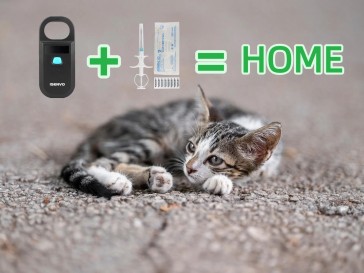
The chip itself contains no battery or GPS; it only activates when scanned by a dedicated reader, displaying a unique 15-digit code. This code is linked to a global database that stores crucial information about the pet and its owner.
Why Are Microchips More Reliable Than Traditional Identification?
-
Never Falls Off: Collars can break, tags can wear out, and tattoos can fade. Once implanted, a microchip stays for life.
-
A Universal Language: No matter where your pet goes missing, any animal shelter or veterinary clinic using a standard scanner can read its "ID."
-
A Lifeline in Critical Moments: When an injured pet is brought to a hospital, the chip information can immediately provide medical records and owner contact details, securing precious treatment time.
Value Beyond "Recovery"
For Household Companions: The chip is not just a physical recovery tool but also an emotional bond. It provides an extra layer of digital security for furry friends, giving owners greater peace of mind.
For Animal Welfare: Microchipping helps curb illegal breeding and pet theft. Every animal with an "ID" is harder to trade illegally.
For Public Health and Safety: In disease tracking or rabies control, traceable pet identification information aids rapid response and management.
For Laboratory Animals: Humane and accurate individual identification improves ethical standards in research and data reliability.
The Wisdom of Choice and Implantation
Choosing services like Free Lifetime Registration is crucial. The value of a chip depends entirely on the accuracy and accessibility of the database information. Remember to:
-
Register and verify immediately after implantation.
-
Promptly update the database with any changes to contact information.
-
Have your veterinarian scan the chip periodically to ensure it is functioning properly.
A More Responsible World
Implanting a microchip in your pet is a simple decision with profound significance. It represents a mature commitment from us as pet owners—acknowledging that accidents can happen and proactively preparing for the unpredictable. In a noisy world, this tiny device quietly guards a precious bond, silently stating: "No matter what happens, I will ensure you can find your way home."
When we choose to microchip our pets, we are choosing not just a technology but a culture of responsibility. In this fast-changing era, we offer our non-verbal companions an unwavering promise of protection. This chip, smaller than a grain of rice, carries the entire hope of a pet's homecoming and embodies humanity's deepest care for its animal partners.